Single origin · Guatemala, Acatenango
Guatemala La Pampa Typica 72h ASD Natural
Price range: 22,90 € – 99,90 € incl. VAT
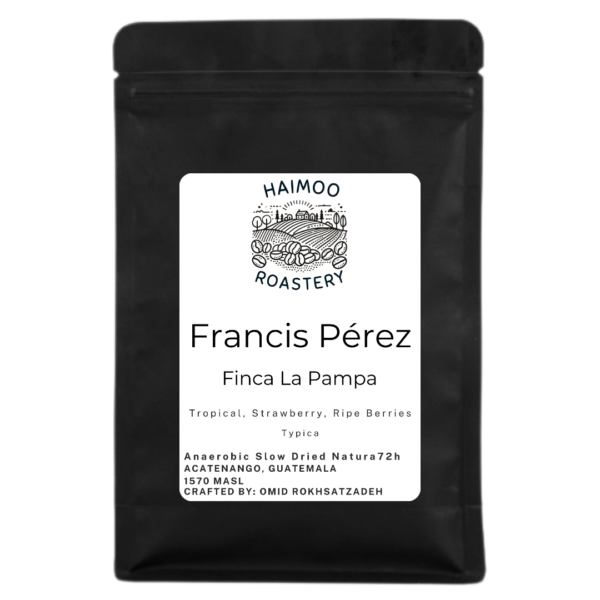
Guatemala La Pampa Typica 72h ASD Natural is a specialty coffee produced by Francis Pérez at Finca La Pampa in Acatenango. The Typica variety grows at 1 570 metres on the slopes of a volcano, and a 72-hour anaerobic fermentation followed by slow drying brings tropical fruit, strawberry and the jammy sweetness of ripe berries to the cup.
Finca La Pampa has been in the Pérez family since 1945, now in its fifth generation. This is a small microlot.
About the coffee
Coffee details
| Origin | Guatemala, Acatenango |
|---|---|
| Producer | Francis Pérez |
| Farm | Finca La Pampa |
| Growing altitude | approx. 1 570 m |
| Variety | Typica |
| Process | 72h Anaerobic Slow Dried Natural |
| Roast level | Light roast |
| Good for | V60, filter coffee machine and espresso |
| Coffee type | 100 % Arabica. Harvest 2026, microlot. |
| Packaging | 200 g and 1 kg |
Guatemala La Pampa Typica 72h ASD Natural
Guatemala La Pampa Typica 72h ASD Natural is a specialty coffee produced by Francis Pérez at Finca La Pampa in Acatenango, Guatemala. Grown at around 1 570 metres on the slopes of a volcano, this Typica lot has been processed with a 72-hour anaerobic fermentation and slowly dried as whole cherries. With Haimoo's roast profile, the cup opens up with tropical fruit, strawberry and the jammy sweetness of ripe berries.
This is a small microlot. Quantities are limited, and once it is gone, it will not be back.
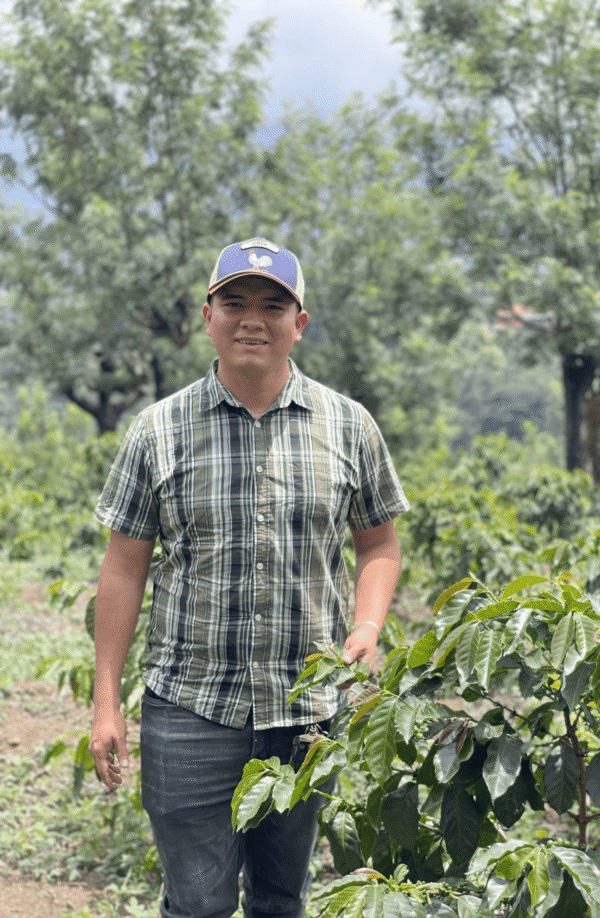
Francis Pérez and Finca La Pampa
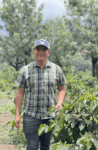
Finca La Pampa was founded in 1945 and has stayed in the Pérez family ever since. Francis Pérez is the fifth generation to farm it. The farm lies in Acatenango, one of Guatemala's best-known coffee regions, which takes its name from the volcano of the same name.
Francis Pérez is related to Raúl Pérez of Finca La Soledad, one of Guatemala's best-known coffee producers. The same thinking shows at La Pampa: the traditional varieties Bourbon, Caturra, Typica and Catuaí have been kept, and alongside them the farm experiments with new varieties such as Geisha and Pacamara, as well as new processing methods. This lot is an example of the latter.
Every lot and process is carefully recorded, so the coffee can be traced all the way back to the farm and the lot. Since 2012 the farm has been part of the Acatenango designation of origin (Denominación de Origen Acatenango), and it is surrounded by rich biodiversity.
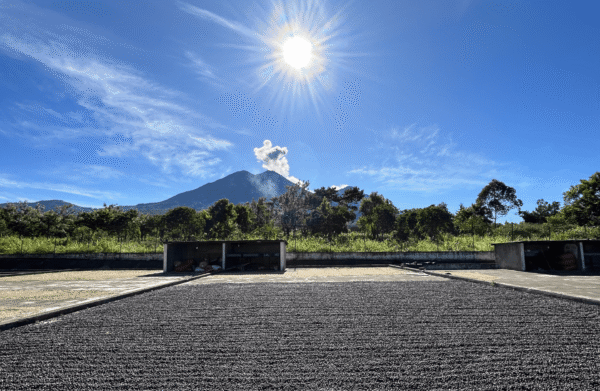
La Pampa on the slopes of the Acatenango volcano
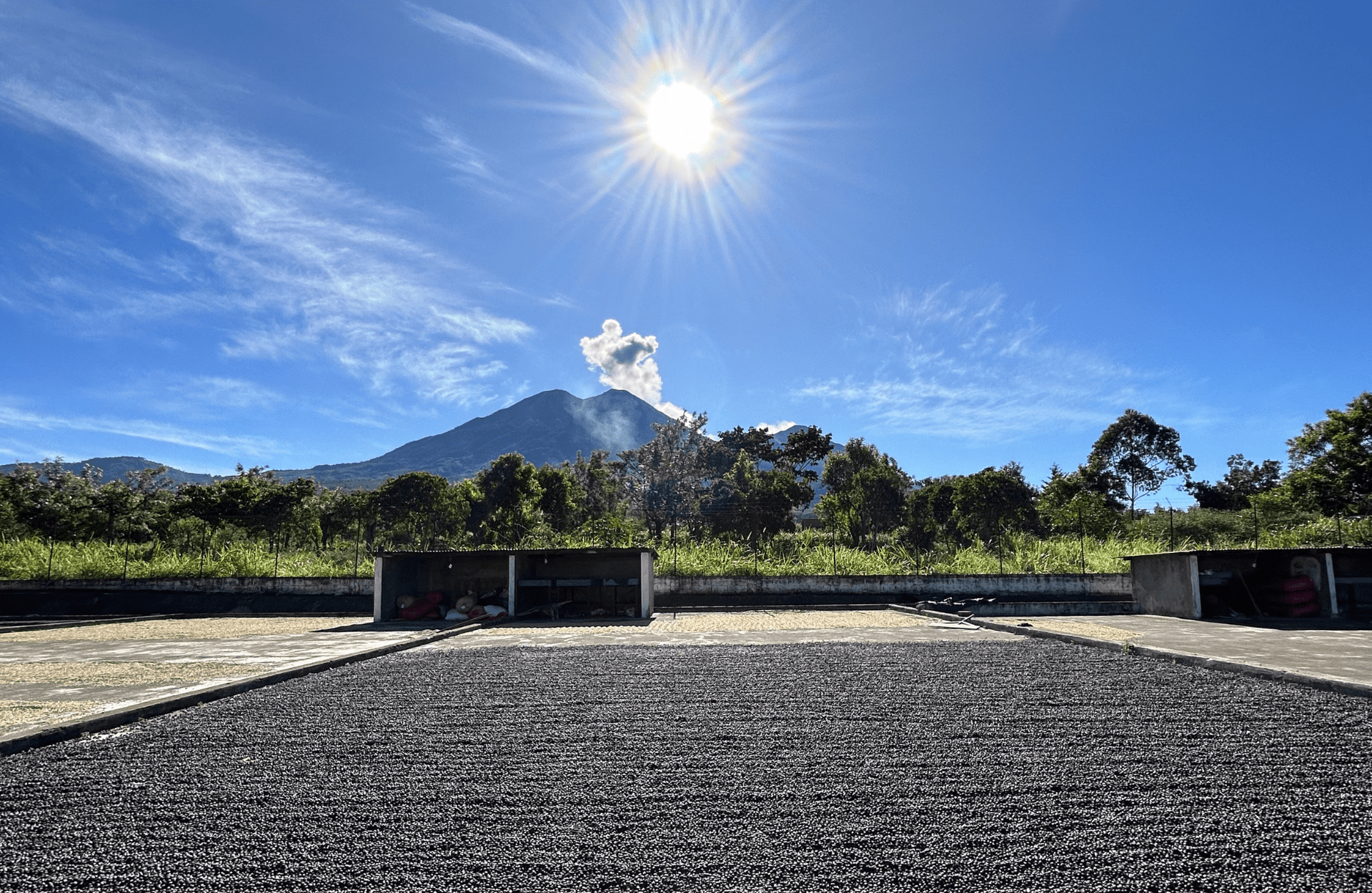
The soil in Acatenango is volcanic and rich in minerals, and the farms sit high on the slopes of the volcano. This lot from Finca La Pampa grows at around 1 570 metres.
At altitude the temperature is cooler and the coffee cherries ripen more slowly. The long ripening time gives the cherries time to develop sugars and aroma compounds, which shows in the cup as sweetness and a clearer acidity.
Typica is one of the oldest cultivated arabica varieties and the parent of many of today's varieties. Its yield is small, but the cup is known for being clean, sweet and elegant. That is exactly why it makes a good base for bolder processing: the variety provides the structure, the process the fruitiness.
72h ASD Natural processing
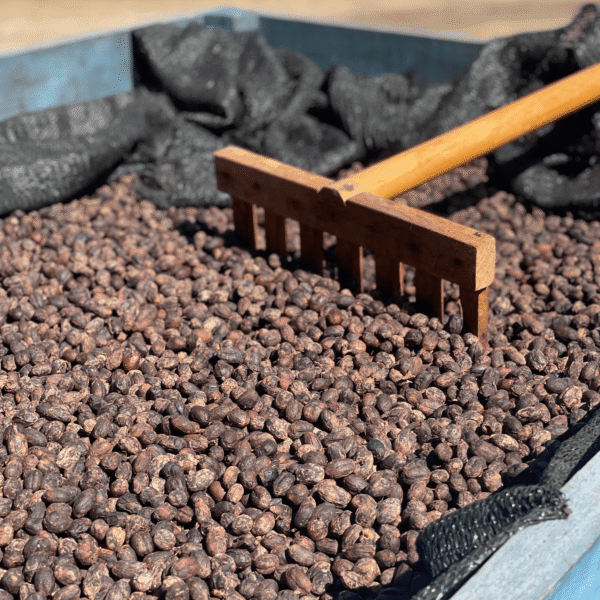
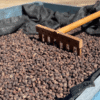
ASD stands for Anaerobic Slow Dried. The coffee cherries are fermented whole in an oxygen-free environment for up to 72 hours, and only then are they slowly dried as whole cherries on drying racks.
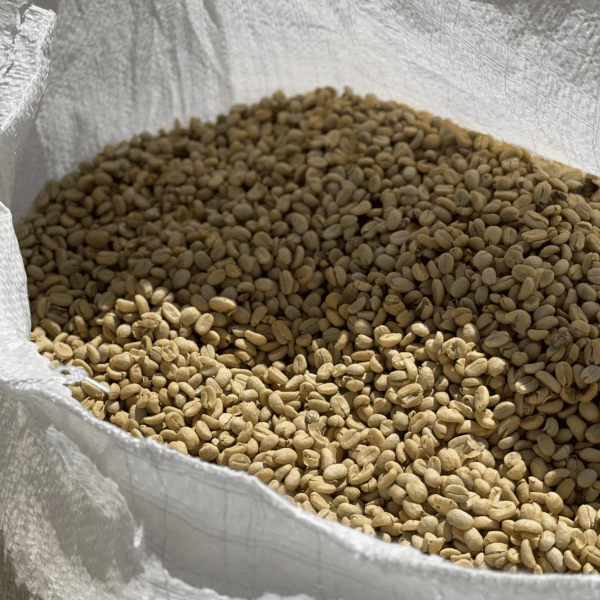
The anaerobic stage intensifies the fruitiness and produces jammy, winey aromas. Slow drying, in turn, preserves the coffee's structure and sweetness, so the result is not just fermentation but a balanced, layered cup.
In the producer's own words, this is a heavily processed coffee with plenty of jammy, ripe-fruit sweetness. It is meant for those who enjoy fruity natural coffees.
What does La Pampa Typica 72h ASD Natural taste like?
This is a heavily processed coffee where fruitiness takes centre stage. The clearest flavour notes in this lot are tropical fruit, strawberry and ripe berries.
In the cup the fruitiness feels jammy and ripe: first a juicy tropical sweetness, then the red fruit of strawberry and ripe berries. The acidity is bright and keeps the whole cup lively, even though the coffee is full-bodied.
As the coffee cools, the jamminess and sweetness grow stronger and the finish is long and multi-layered.
The 72-hour anaerobic process is clearly noticeable, so La Pampa is a coffee for lovers of fruity, processed natural coffees rather than for anyone after a more restrained, clean cup.
How should you brew La Pampa?
The roaster recommends La Pampa as filter coffee. It works just as well brewed by hand with a Hario V60 as in an ordinary coffee maker, and as filter coffee it shows tropical fruit, strawberry and ripe berries.
If you like an intense, light roast espresso, La Pampa works excellently there too: the cup is fruity, not chocolatey.
We taste
This is a heavily processed coffee where fruitiness takes centre stage. The clearest flavour notes in this lot are tropical fruit, strawberry and ripe berries. In the cup the fruitiness feels jammy and ripe: first a juicy tropical sweetness, then the red fruit of strawberry and ripe berries. The acidity is bright and keeps the whole cup lively, even though the coffee is full-bodied. As the coffee cools, the jamminess and sweetness grow stronger and the finish is long and multi-layered. The 72-hour anaerobic process is clearly noticeable, so La Pampa is a coffee for lovers of fruity, processed natural coffees rather than for anyone after a more restrained, clean cup.
Flavour notes
How to brew it
The roastery's recommendation for filter coffee. Feel free to adjust it to your own taste.
- Grind
- Medium-coarselike sea salt
- Dose
- 15 gcoffee
- Water
- 250 gratio 1:16,7
- Temperature
- 93 °C
- Time
- 2:30–3:00total brew
You might also like
 El Salvador, La Palma, ChalatenangoEl Salvador Finca Peña Redonda Pacamara Price range: 16,90 € – 59,90 € incl. VAT
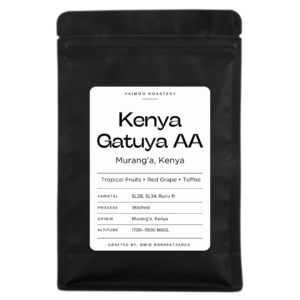 Kenya, MurangaKenya Gatuya AA Price range: 16,90 € – 59,90 € incl. VAT
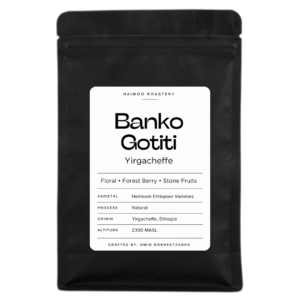 Ethiopia, Gedeb, Gedeo, YirgacheffeEthiopia Banko Gotiti Natural Price range: 16,90 € – 59,90 € incl. VAT
 Coffee SubscriptionCoffee Lover · 2 bagsFreshly roasted coffee delivered once a month, postage included.29,90 € / month Find out more →